


 Français
  Deutsch
  Italiano
  Español
Formentera is an island located just a few kilometers from Ibiza—around 20 km away—and is accessible only by sea. For this reason, many travelers visit it through excursions from Ibiza, often combining the trip with popular experiences such as a boat party Ibiza. Yet the island hides peaceful, almost untouched corners that are ideal for solo travelers, couples, or families. With a bit of adventurous spirit, it is possible to discover secluded coves, surprising landscapes, and even little-known natural oases far from the summer crowds.
Hidden beaches and tranquil coves
Formentera is famous for its turquoise waters and long stretches of sand, but some of its most silent and evocative spots are found in rocky, lesser-visited areas.
Cala en Baster, for example, is an old fishermen’s refuge characterized by impressive limestone walls. Here, visitors can explore natural caves carved into the rock and enjoy crystal-clear waters in a relaxed atmosphere far from mass tourism.
A little further south lies Cala Sa Roqueta, a small beach near Es Pujols and connected to Levante Beach. Thanks to its shallow, calm waters, it is particularly suitable for families with children.
Another gem is Caló des Mort: a tiny cove surrounded by high cliffs in the southwest of the island. This unspoiled spot offers striking rocky scenery and traditional fishermen’s huts known as escars, well worth exploring. As there are no services, it is advisable to bring water and some food—perfect for a peaceful picnic.
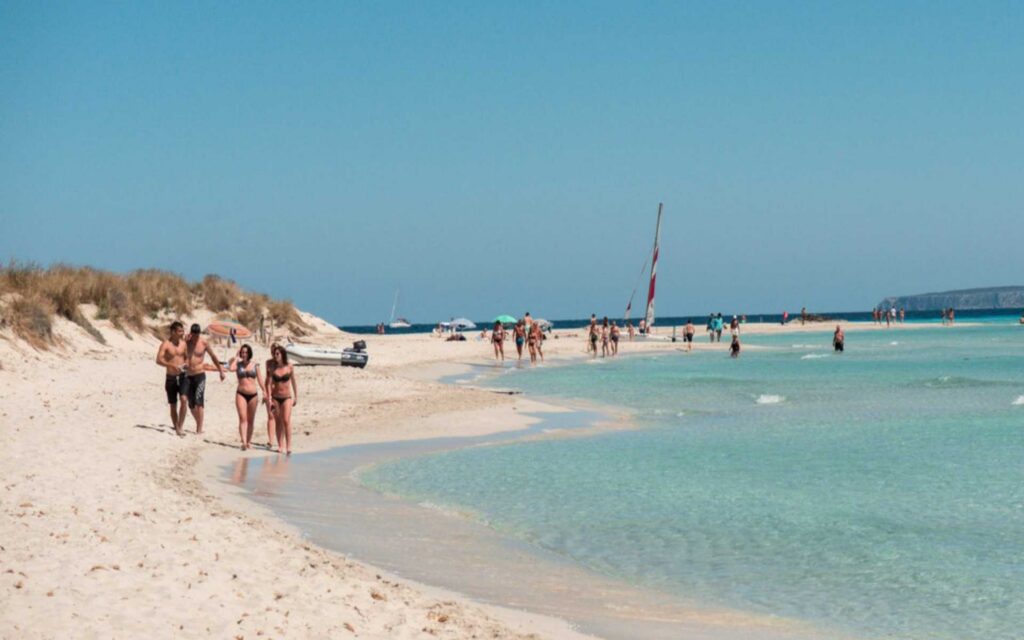
Ses Illetes also deserves a visit, near the sandbar of Es Trucador that leads toward Espalmador. This protected beach, with fine white sand and crystal-clear waters, is accessible only by sea. Precisely because of this, it is rarely crowded and is ideal for snorkeling enthusiasts.
Finally, Cala Saona—on the western coast—is a wide bay with calm waters. Although it is fairly well known, it is surrounded by pine trees and cliffs that prevent it from becoming overly crowded. Its sunsets, especially from nearby Punta Rasa, are among the most spectacular on the island and offer a serene alternative after a sunset boat party Ibiza.
Northeast coast and secret bays
On the opposite side of Formentera, between Sant Ferran and La Savina, stretches a long rocky coastline dotted with small, little-known coves. The Es Carnatge area covers about 3.5 km of coastline north of Migjorn Beach. It features numerous secluded spots, mostly known only to locals. Even during high season, this area remains almost deserted. In winter, sea currents deposit large amounts of posidonia on the shore, enriching the natural landscape. The silence and calm often attract naturism enthusiasts seeking complete privacy.
Continuing south from La Savina, you reach the small bay of Es Ram, hidden among pine trees and cliffs and accessible only via a short walk. It is almost never crowded, and the single trail—about ten minutes long—leads to a secluded spot with transparent waters.
Between Es Ram and Caló des Mort lies Es Torrent des Arbocers, a semi-sandy bay approximately 120 meters long. It is highly appreciated by snorkeling lovers and remains lightly visited. Behind it stretch groves of pine and juniper trees, inhabited only by birds and small animals—a perfect refuge for those seeking total relaxation.
There are no beach bars or restaurants on the eastern side of the island. If you decide to explore Es Carnatge, Es Ram, or Es Torrent des Arbocers, be sure to bring water, food, and all necessities. The nearest services are in villages such as Es Caló or Es Pujols, so it is best to set out early in the morning.
Viewpoints and unforgettable sunsets
Formentera’s charm goes beyond its beaches: the interior and headlands offer unique viewpoints.
Climbing to the La Mola plateau, at about 192 meters above sea level, you reach the Mirador de Formentera—an essential stop for anyone wishing to admire the island from above. From here, you can see Migjorn Beach, Es Caló, and the northern coastline. On clear days, the contrast between the rougher sea on one side and the calmer waters on the other is clearly visible. It is an ideal place to wait for sunset, when the landscape is bathed in soft pink tones.
In the south of the island lies Cap de Barbaria, the wildest area of Formentera. Here stand an old white lighthouse and the evocative Cova Foradada, a natural cave with an opening to the sea. It is accessed via a short descent with a wooden staircase and offers a unique Mediterranean view. Many visitors choose this spot to watch the sunset. The small watchtower Torre de Es Garroveret is also worth a visit, immersing visitors in the rural atmosphere of the area.
Protected nature: the Salt Flats and S’Espalmador
Another fascinating and lesser-known place is the Salt Flats Natural Park. The former salt pans, declared a UNESCO World Heritage Site in 1999, create a landscape of pink and white lagoons, dunes, and reed beds. More than 200 bird species nest here, including flamingos, stilts, and other typical Balearic species.
Walking along the Camí de Ses Illetes offers spectacular views of the salt flats and the nearby Es Illetes Beach, one of the most picturesque on the island. At low tide, the sandbar of Es Trucadors allows visitors to walk to the uninhabited islet of S’Espalmador, a small paradise of white beaches and remote coves. Arriving early in the morning makes it possible to cross the shallow stretch of sea (less than 200 meters) and enjoy an almost untouched natural environment.
Travel tips
To reach the most remote areas, renting a car, scooter, or bicycle is recommended. Many paths are well marked, although some coves require short walks. For example, Cala Codolar—on the eastern coast toward La Mola—is accessible only via a hiking trail. It is not ideal for families with small children, but it rewards visitors with spectacular views of the lighthouse.
Remember to bring sunscreen, water, and some food: isolated beaches do not offer dining services. In summer, the sun is intense, while in winter the trails provide ideal conditions for exploring in complete tranquility.
Finally, always respect the natural environment. In protected areas such as the Salt Flats and S’Espalmador, leaving waste is strictly prohibited. Preserving unspoiled nature means preserving the magic of Formentera. With a bit of adventurous spirit, exploring these hidden corners becomes an unforgettable experience—perfect for romantics and families seeking maximum relaxation away from the crowds.